Society has changed a lot in the last fifty years. We are now less willing to accept adversity, more likely to look for someone to blame when things do not go well, less deferential to authorities and less trusting of others in general. Along with many marvellous technical developments the way that medicine is practised has altered to accommodate these societal changes, sometimes for the better and sometimes for the worse.
The story
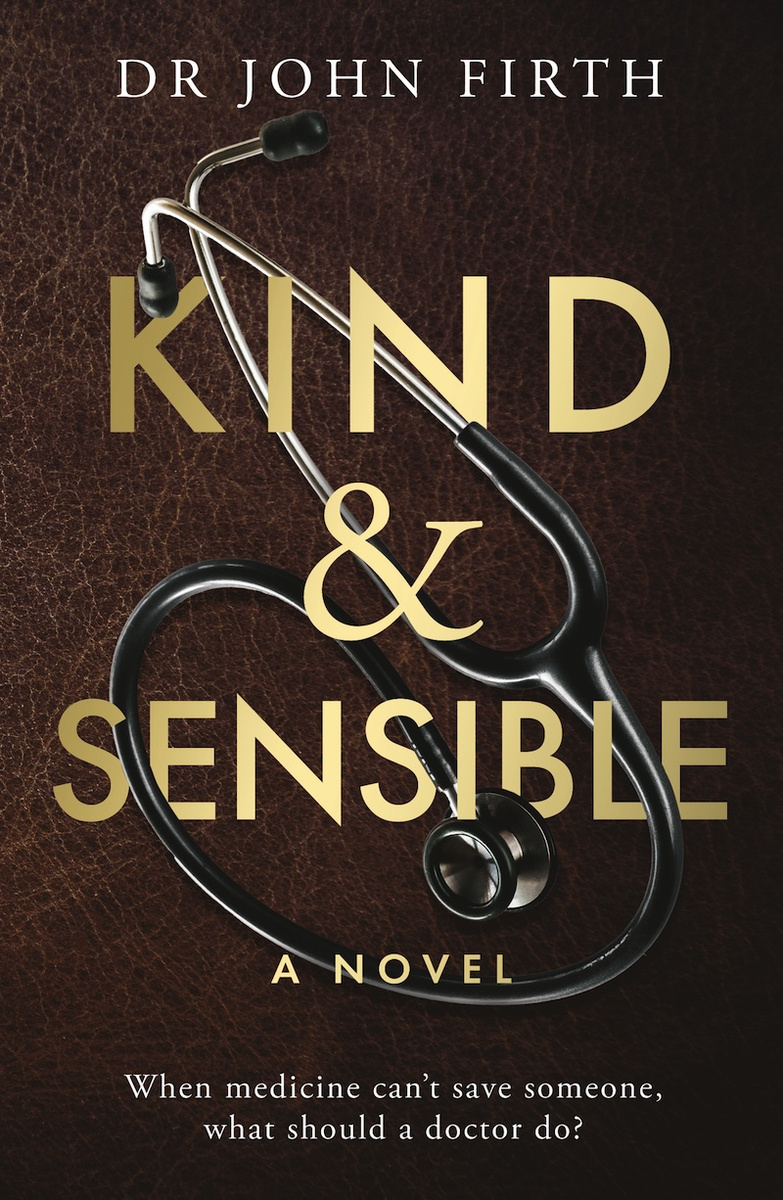
This story is about an ‘old school’ doctor, Jonathan Barber, who could not adapt as times changed. What he regards as a very mundane decision, keeping an elderly demented woman who is terminally ill comfortable and allowing her to die, leads to a court case, a hearing with the medical regulator and a disciplinary process in his own hospital, the stress of which leads to him taking early retirement.
Following his wife’s death his estranged daughter, Margaret, unsettled in her own life, returns home for the first time in many years. She and her father both feel a need to get to know each other, which they never did when she was a child or adolescent because – like many doctors of his generation - he was always working, and to do this she has to understand what happened to him and to her mother. This leads her into a series of discussions with her father, David Old (a doctor who was an expert witness at the medical regulator’s hearing), Shirley (a long-standing friend who works as a nurse in a busy Emergency Department) and Malcolm (a wise ex-colleague and friend of her father’s) which explore what’s changed in society and medicine and why.
The heart of the matter
The nub is that at an individual and collective level it has become very difficult to have honest conversations. Patients and their families are increasingly likely to push back against the inevitable realities of illnesses and mortality, with the consequence that doctors are more and more reluctant to talk frankly about them, leading to many protracted, miserable and expensive deaths. Why would a doctor embark on difficult discussions if all they get is grief? At a societal level the same mindset leads politicians to keep searching for and promising delivery of improbable benefits from medical advances: they cannot do otherwise if they want to be re-elected. And why would a biomedical scientist or someone running a drug company be honest and say, ‘this might help a bit, but it isn’t truly a game-changer’, if those responsible for funding are desperate for breakthroughs and good news?
How can this state of affairs be changed? The key argument is that this will depend on restoration of trust between patients and doctors to allow the truthful conversations at individual and societal level that are now fraught with danger. As Margaret explores these issues she begins to find a way through her mid-life crisis.